Your Lymphatic System Is Drowning in Stillness — Bulgarian Hydrotherapy Is the Lifeline It Needs
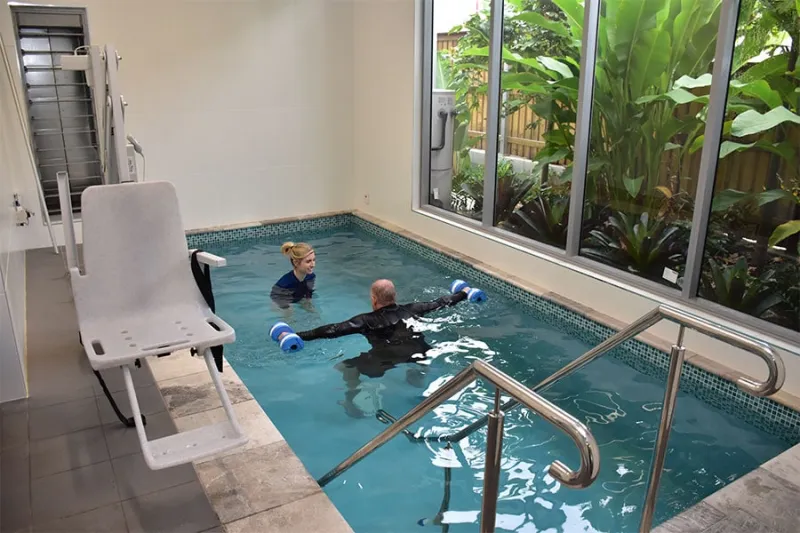
Photo: hydrotherapy pool mineral water aquatic therapy wellness center, via bluepoolsandspas.com.au
There's a network running through your entire body right now that most people couldn't name if you asked them. It's not your circulatory system. It's not your nervous system. It's your lymphatic system — and if you're living a typical American lifestyle, chances are it's barely functioning the way it should.
We spend billions every year on immune-boosting supplements, anti-inflammatory diets, and detox programs. Yet the one system specifically designed to handle immune defense and waste removal gets almost zero attention in mainstream wellness conversations. That's starting to change — and interestingly, some of the most effective answers are coming from Eastern European water therapy traditions that have been quietly doing this work for centuries.
What the Lymphatic System Actually Does (and Why You Should Care)
Think of your lymphatic system as your body's secondary circulatory network — except instead of blood, it moves a fluid called lymph. This fluid carries immune cells, filters out cellular waste, neutralizes pathogens, and helps regulate inflammation throughout the body.
Here's the critical difference between your blood and your lymph: blood has a pump. Your heart keeps it moving. Lymph doesn't have that luxury. It relies entirely on muscle contractions, breathing, and physical movement to circulate. Which means the moment you stop moving — really moving — your lymphatic system starts to stagnate.
And stagnation is exactly what a sedentary lifestyle produces. The average American sits for more than six hours a day outside of sleep. Add in desk jobs, long commutes, and screen-heavy evenings, and you've got a recipe for lymphatic dysfunction that shows up as chronic puffiness, frequent illness, persistent fatigue, brain fog, and that low-grade inflammation that doctors keep warning you about but can't quite pin down.
The Sedentary Trap and Its Quiet Consequences
When lymph fluid pools instead of circulates, it triggers a cascade of problems that most people attribute to other causes. Swollen ankles after a long flight? Lymphatic congestion. Recurring sinus issues that never fully clear up? Often tied to sluggish lymph flow in the head and neck. That general feeling of heaviness and malaise that creeps in after weeks of low activity? Your lymphatic system waving a very slow, very tired flag.
Chronically elevated inflammation — now linked to everything from cardiovascular disease to depression — has a well-documented relationship with impaired lymphatic drainage. When the system can't clear waste efficiently, inflammatory markers accumulate. The immune system stays in a kind of low-level alert state that wears down your resilience over time.
The frustrating part is that mainstream wellness has responded to this problem mostly with expensive workarounds: lymphatic massage devices, dry brushing kits, compression garments, and herbal drainage supplements. Some of these help at the margins. None of them address the root issue with the elegance and efficiency of what Bulgarian hydrotherapy has offered for generations.
How Water Activates What Stillness Kills
Water is uniquely positioned to do what sedentary living undoes. The physics of aquatic immersion create conditions that are almost tailor-made for lymphatic stimulation.
Hydrostatic pressure — the gentle, uniform compression your body experiences when submerged — acts like a full-body squeeze on your lymphatic vessels. Unlike gravity-dependent drainage that only works when you're upright and moving, hydrostatic pressure works in all directions simultaneously. It encourages lymph to move from peripheral tissues back toward the core, reducing congestion in the limbs and improving overall fluid balance.
Aquatic movement therapy takes this a step further. When you move through water, the resistance engages muscle groups that are largely dormant during typical daily activities. Those contractions pump lymph the way walking through a field pumps a hand-powered water well — steadily, rhythmically, and effectively. Bulgarian aquatic therapy protocols are specifically designed to layer these benefits: slow, deliberate movements in warm mineral water that maximize lymphatic engagement without taxing the cardiovascular system.
Contrast Hydrotherapy: The Temperature Switch That Wakes Everything Up
If aquatic movement is a steady pump for the lymphatic system, contrast hydrotherapy is the jump-start.
Contrast therapy — alternating between warm and cold water immersion — has been practiced in Bulgarian spa and healing traditions for a long time, and modern physiology confirms exactly why it works so well for lymphatic health. When you move from hot to cold water, your blood vessels rapidly constrict and then dilate. This vascular pumping action creates pressure changes throughout the body that physically propel lymph through its vessels in a way that passive movement simply cannot replicate.
The Bulgarian approach to contrast therapy isn't the aggressive ice-bath protocol that's been trending on social media. It's more measured — typically cycling between mineral-rich thermal water at around 100–104°F and cooler fresh water in the 65–70°F range, with deliberate timing that allows the body to respond fully at each temperature before transitioning. The mineral composition of Bulgarian thermal waters adds another layer of benefit: magnesium, sulfur, and bicarbonate compounds absorbed through the skin support cellular metabolism and tissue recovery, creating an environment where the lymphatic system can do its job more efficiently.
What This Looks Like in Practice
You don't need to book a flight to Bulgaria to start applying these principles — though if you do visit, the thermal spa regions of Bankya, Velingrad, and Hisarya offer some of the most mineral-rich therapeutic waters in Europe, and the protocols used there have a depth and refinement that's genuinely hard to replicate elsewhere.
For US-based readers, the practical takeaway is this: water-based movement is one of the most accessible and underutilized tools for lymphatic health available to you. Whether that's a water aerobics class, a deliberate swim session that emphasizes full-body movement, or alternating warm and cool showers in the morning, you're engaging mechanisms that no supplement can replicate.
If you have access to a thermal or mineral pool, prioritize it. The combination of hydrostatic pressure, mineral absorption, and warm-water muscle relaxation creates conditions that are exceptionally favorable for lymphatic drainage. Pair that with some contrast exposure — even ending a warm soak with a brief cool rinse — and you're working with your body's physiology rather than against it.
The Bigger Picture
The lymphatic system crisis in America isn't a single dramatic failure. It's a slow erosion — the cumulative result of too much sitting, too little movement, and a wellness culture that keeps inventing new products to address symptoms while the underlying cause goes unexamined.
Bulgarian hydrotherapy doesn't ask you to overhaul your life or spend a fortune. It asks you to get in the water, move deliberately, and let temperature and pressure do work that your body was always designed to receive. That's not a trend. That's physiology meeting tradition — and it's been working for a very long time.
Your lymphatic system isn't broken. It's just waiting for you to move.