Why Elite Athletes Are Ditching Ice Baths for Bulgarian Thermal Spa Protocols
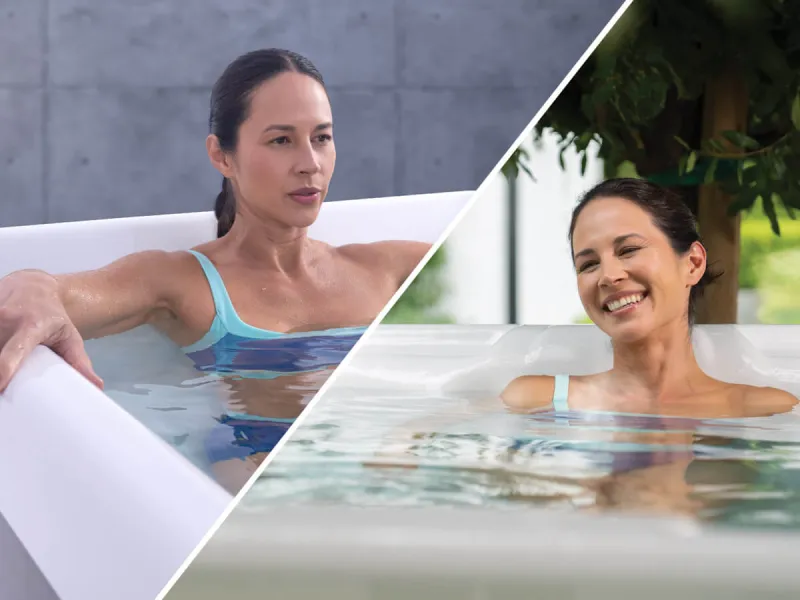
Photo: athlete thermal spa recovery mineral pool contrast bath hydrotherapy, via p3recovery.com.au
The Ice Bath Had a Good Run
For a long time, the ice bath was the gold standard of athletic recovery. You finished a brutal training session, you filled a tub with ice water, you climbed in, you suffered for ten minutes, and you walked out feeling like you'd done something serious. Coaches swore by it. Sports medicine clinics recommended it. It became almost a rite of passage in competitive athletics.
Then the research started getting complicated.
A growing body of evidence has begun questioning whether aggressive cold immersion — particularly right after strength training — might actually blunt some of the adaptive responses that make training worthwhile. A landmark study published in the Journal of Physiology found that post-exercise cold water immersion reduced long-term muscle gains compared to active recovery. Other research has raised questions about timing, duration, and whether the inflammation we've been aggressively suppressing is, in some cases, a necessary part of the recovery process.
None of this means cold therapy is useless. It absolutely has its place. But it does mean the conversation is opening up — and that's where Bulgarian thermal spa methodology is stepping in.
What Bulgarian Thermal Protocols Actually Look Like
To understand why this approach is gaining traction in American fitness circles, it helps to know what we're actually talking about. Bulgarian thermal spa therapy isn't just "a warm soak." It's a structured, sequential protocol that combines several distinct therapeutic elements.
The foundation is mineral-rich water immersion. Bulgaria's natural thermal springs contain elevated concentrations of magnesium, calcium, bicarbonate, and sulfur compounds — each with documented physiological effects. Magnesium alone plays a role in over 300 enzymatic processes, including muscle contraction, protein synthesis, and nerve function. Athletes are frequently deficient in it. Soaking in magnesium-rich thermal water offers transdermal absorption that dietary supplementation often can't fully replicate.
Beyond the mineral content, the protocols involve graduated temperature cycling — moving between warm thermal pools (typically 98–104°F) and cooler plunge pools in a specific sequence. This isn't random hot-cold contrast. It's a deliberate vascular workout: alternating dilation and constriction of blood vessels drives circulation in ways that support metabolic waste removal, reduce localized inflammation, and accelerate tissue repair.
Finally, structured hydrotherapy elements — water jet massage, underwater pressure work, guided aquatic movement — address soft tissue recovery and range of motion in ways that passive rest simply doesn't.
American Coaches Are Taking Notes
Marcus D., a strength and conditioning coach working with collegiate track athletes in the Pacific Northwest, started incorporating thermal contrast protocols about two years ago after a trip to Europe exposed him to spa culture he'd previously dismissed as touristy.
"I came back genuinely curious," he told us. "I started researching the actual physiology behind what I'd experienced, and the more I read, the more it made sense. We'd been treating recovery like it was one-dimensional — just reduce inflammation, reduce pain. But recovery is circulatory, it's hormonal, it's neurological. Thermal protocols address more of those dimensions simultaneously."
Marcus now uses a modified version of the Bulgarian thermal sequence with his athletes, working within the constraints of available facilities. "We don't have mineral springs in Oregon, obviously. But we can approximate a lot of it — quality mineral water soaks, structured contrast bathing, Epsom salt immersion for magnesium loading. The athletes who've committed to it consistently report better sleep, faster return to baseline after hard sessions, and less of that cumulative fatigue that builds up mid-season."
Similar feedback is coming from the yoga and endurance communities. Jenna F., a competitive triathlete based in Colorado, started working thermal spa principles into her recovery routine after struggling with chronic muscle tightness that conventional ice baths weren't resolving.
"Ice was helping acutely but not systemically," she explained. "I'd feel okay the next morning, but the tightness kept coming back. Switching to warm mineral soaks with contrast work changed that pattern pretty quickly. My soft tissue just responds differently now. My PT actually noticed the change before I even told her what I'd been doing."
The Science Behind the Shift
The physiological case for thermal spa protocols over isolated cold immersion is worth unpacking, because it's not just anecdotal.
Warm water immersion at therapeutic temperatures increases peripheral blood flow and core temperature in ways that support the parasympathetic nervous system — the "rest and digest" state that's essential for genuine recovery. Athletes under heavy training load are often stuck in sympathetic overdrive (fight-or-flight), and cold immersion, while temporarily effective, can actually reinforce that stress state rather than resolve it.
Contrast hydrotherapy — the alternating warm/cool cycling at the heart of Bulgarian protocols — has been shown in multiple studies to reduce delayed onset muscle soreness (DOMS) more effectively than cold water immersion alone. The mechanism involves what researchers call the "vascular pump effect": repeated vasodilation and vasoconstriction essentially flushes metabolic byproducts from muscle tissue more efficiently than static cold.
And then there's the mineral absorption piece. Athletes losing significant electrolytes through sweat face recovery challenges that drinking sports drinks only partially addresses. Transdermal magnesium and sulfate absorption during thermal soaks provides a supplemental pathway that's proving clinically meaningful, particularly for athletes with absorption issues or high training volumes.
A Protocol You Can Start This Week
You don't need to fly to Velingrad to access the core benefits of Bulgarian thermal methodology. Here's a practical at-home protocol adapted from traditional spa sequences:
The Warm Mineral Soak (20–25 minutes) Draw a bath as warm as is comfortably tolerable — around 100–103°F. Add two cups of Epsom salt and half a cup of baking soda (which approximates some of the bicarbonate mineral content found in Bulgarian thermal waters). Submerge as much of your body as possible and stay for at least 20 minutes. Do this within two to three hours post-training, not immediately after — give your body a short window to begin its natural inflammatory response first.
The Contrast Finish (10 minutes) After your warm soak, finish with a two to three minute cool-to-cold shower. Alternate 30 seconds cold, 30 seconds warm, for three to four cycles. End on cold. This triggers the vascular pump effect and signals your nervous system toward recovery mode.
The Stillness Window This is the part most Americans skip, and it matters more than you'd think. After your contrast finish, lie down for 15–20 minutes in a warm room. No phone, no stimulation. Bulgarian spa culture builds this rest window into every protocol — it's when the nervous system integration actually happens.
For those with access to actual thermal facilities, look into float centers, hot spring resorts, or aquatic therapy pools in your area. Many physical therapy clinics now offer hydrotherapy services that can be incorporated into a structured recovery plan.
Recovery Is the Training
The shift happening in American athletic culture right now is really a shift in how we think about recovery itself. For a long time, recovery was the thing you did so you could get back to training. It was maintenance, not methodology.
Bulgarian thermal spa culture treats water-based recovery as its own discipline — something with depth, nuance, and real physiological sophistication. That perspective is landing differently now, in an era when athletes at every level are looking for edges that don't come with injury risk or pharmaceutical shortcuts.
The water has always had this capacity. We're just finally paying attention to how to use it properly.