You Live Next to the Ocean and You're Still Dehydrated: The Water Disconnect Nobody's Talking About

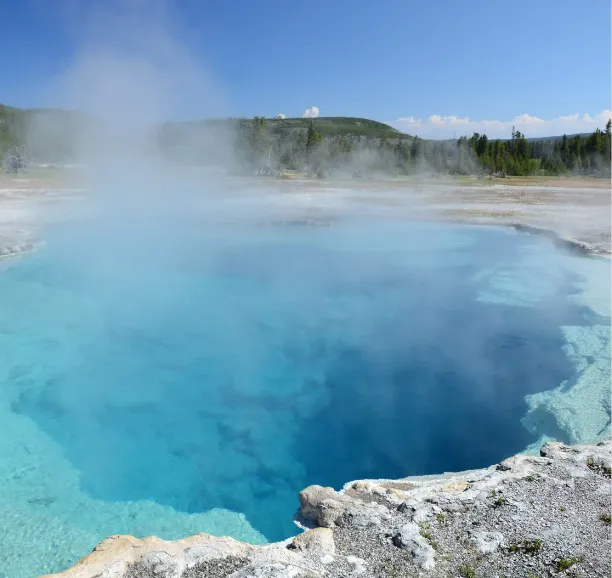
Photo: Kristiaan from Haarlem, The Netherlands, CC BY 2.0, via Wikimedia Commons
The Irony Nobody Mentions at the Beach
Picture a Saturday afternoon in Miami, San Diego, or Cape Cod. People are everywhere near the water — sunbathing, scrolling their phones, sipping iced coffee from a paper cup. The ocean is right there, enormous and ancient and full of minerals. And yet, a significant chunk of those people are chronically dehydrated.
Studies consistently show that up to 75% of Americans are in a state of chronic mild dehydration. That's not a small number. That's most of the people you know. And here's the strange part — it has almost nothing to do with whether they live near water. It has everything to do with how they relate to it.
At AquaLife Bulgaria, we've spent a lot of time thinking about what separates cultures that genuinely thrive with water from those that simply coexist with it. What we've found is less about geography and more about mindset — and the gap between American water habits and Bulgarian water culture is, frankly, pretty eye-opening.
Hydration Isn't Just Drinking More Water
Let's get something out of the way first. When most Americans hear "you're dehydrated," the instinct is to grab a water bottle and chug. That's not wrong, exactly, but it misses the bigger picture entirely.
Hydration, in the truest wellness sense, is about how your body absorbs and uses water — not just how much you consume. Mineral content matters enormously. The electrolyte balance in what you drink affects whether water actually gets into your cells or just passes through. Timing matters. Temperature matters. And perhaps most importantly, your relationship with water as a practice — not just a beverage — matters a great deal.
Bulgarian wellness culture has understood this for centuries. The country is home to over 600 natural mineral springs, each with a distinct mineral composition. Locals don't just drink from these springs casually — they approach it with a kind of intentionality that Americans might find almost ritualistic. Different springs are sought out for different purposes: digestive support, joint health, respiratory function. The water isn't just water. It's medicine you drink slowly, with awareness.
The Coffee-First Culture and What It Costs You
Here's a typical American morning: alarm goes off, phone gets checked, coffee gets made. Water, if it happens at all, comes later — maybe much later.
Coffee is a mild diuretic. Starting your day with it before hydrating means your body begins each morning already playing catch-up. Add to that the air-conditioned offices, the heated cars, the processed foods with high sodium content, and the general pace of American life that doesn't exactly encourage sitting quietly with a glass of mineral water — and you've got a recipe for systemic, low-grade dehydration that most people just accept as normal.
In Bulgarian spa towns like Velingrad or Hisarya, mornings look different. People walk to the mineral spring fountains — called cheshmi — and drink slowly before breakfast. It's social, it's intentional, and it's been part of daily life for generations. Nobody's timing it with an app or following a protocol. It's just... what you do.
That cultural default is the thing Americans are missing. Not information about hydration — we have plenty of that. A default behavior that puts water first.
Water as Healing, Not Just Survival
Beyond drinking, Bulgarian wellness culture treats water immersion as a legitimate health tool — not a luxury. Thermal bathing, hydrotherapy, and mineral soaks are woven into everyday life in ways that feel completely normal rather than indulgent.
This stands in sharp contrast to how most Americans experience water therapeutically. For the majority, a bath is a bath. A swim is exercise. The idea that sitting in mineral-rich thermal water for 20 minutes could meaningfully support cardiovascular function, reduce inflammation, or improve sleep quality feels a little too good to be true — or at least, like something reserved for a fancy spa weekend.
But the research backs it up. Balneotherapy — the therapeutic use of mineral water — has a well-documented evidence base for conditions ranging from chronic pain and arthritis to anxiety and skin disorders. The minerals absorbed transdermally during thermal immersion (magnesium being a big one) can address deficiencies that drinking alone doesn't fully correct.
So when we talk about the American water disconnect, we're really talking about two separate gaps: the hydration gap and the immersion gap. Both are solvable. Neither requires moving to Bulgaria.
Practical Ways to Close the Gap
You don't need a mineral spring in your backyard to start building a more intentional relationship with water. Here's what we recommend pulling from the Bulgarian wellness playbook:
Start your morning with water, before coffee. Sixteen ounces of room-temperature water — ideally with a pinch of sea salt and a squeeze of lemon for minerals — before your first cup of coffee can meaningfully shift how your body starts the day. It's a small habit with a surprisingly large effect.
Upgrade your drinking water. Not all water is equal. Filtered tap water is fine, but if you can access a good mineral water (look for higher magnesium and calcium content on the label), your cellular hydration will improve noticeably. Many European mineral waters are available at US grocery stores — Gerolsteiner and Evian both have decent mineral profiles.
Explore local thermal options. You might be surprised what's available near you. The US has its own network of natural hot springs — from Hot Springs, Arkansas, to Ojo Caliente in New Mexico to the natural pools scattered across Colorado. These aren't quite the same as Bulgarian mineral springs, but the principle is similar: intentional immersion in mineral-rich water, done regularly, as a health practice.
Take your baths seriously. If thermal springs aren't accessible, an Epsom salt bath two to three times a week is a legitimate therapeutic tool. Magnesium sulfate absorbs transdermally and supports muscle recovery, sleep quality, and stress reduction. It's not glamorous, but it works.
Slow down around water. This one's less tangible but maybe the most important. The next time you're near a lake, river, or ocean, try actually being present with it for a few minutes. No phone, no podcast. Just water. Bulgarian water culture isn't just about what you consume or absorb — it's about the relationship itself. That sense of reverence and attention is something we could all stand to cultivate.
The Bigger Picture
Chronic dehydration isn't just a personal health issue — it's a cultural symptom. Americans have, in many ways, abstracted water into a utility. It comes from a tap or a plastic bottle. It's infrastructure, not medicine. That shift in perception has real consequences for how we feel, how we recover, and how we age.
Bulgarian wellness culture didn't accidentally develop a healthier relationship with water. It was built over centuries of living with water — observing it, respecting it, using it with intention. That's a mindset shift, not a product you can buy.
But the good news? Mindsets can change. And the water — wherever you are — is already there, waiting.