What Bulgaria's Ancient Thermal Springs Can Teach Us About Healing in the Modern Age
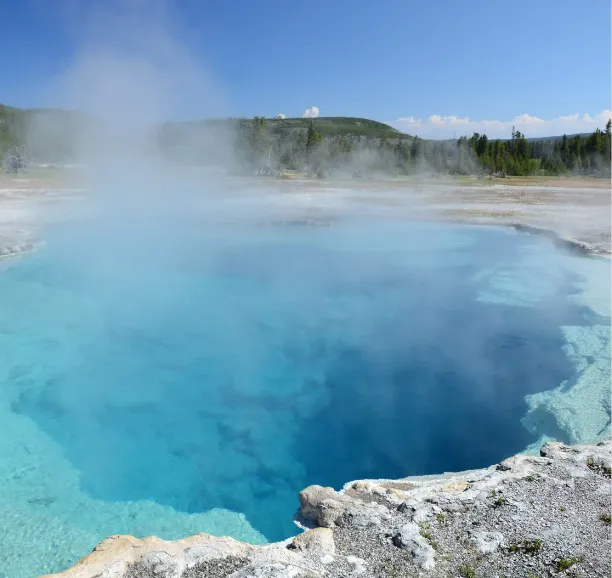
Photo: Bulgaria thermal mineral spring spa pool mountains steam, via static.wixstatic.com
There's something almost surreal about lowering yourself into a naturally heated mineral pool while snow dusts the pine trees around you. For Bulgarians, this experience isn't a luxury — it's practically a health tradition passed down through generations. But for a growing number of Americans dealing with chronic joint pain, burnout, and stress-related conditions, it's becoming a destination worth crossing an ocean for.
Bulgaria sits on one of Europe's richest geothermal belts, with over 500 mineral springs scattered across the country. From the famous baths of Velingrad — often called the "Spa Capital of the Balkans" — to the ancient waters of Hisarya, which the Romans knew well over 2,000 years ago, these springs have been quietly doing their healing work for millennia. And now, modern science is starting to explain why.
What's Actually in the Water?
Not all water is created equal. Bulgaria's thermal springs are loaded with minerals like magnesium, calcium, sulfur, bicarbonate, and silica — elements that interact with the human body in some pretty remarkable ways when absorbed through the skin or inhaled as steam.
Magnesium, for instance, is a mineral that a huge portion of Americans are deficient in. It plays a critical role in muscle relaxation, nerve function, and reducing systemic inflammation. When you soak in magnesium-rich thermal water, your body can absorb it transdermally — bypassing the digestive system entirely. Studies published in journals like Rheumatology International and International Journal of Biometeorology have found that regular balneotherapy (the clinical term for mineral spring bathing) can meaningfully reduce pain scores in people with osteoarthritis, fibromyalgia, and lower back conditions.
Sulfur compounds, another common component in Bulgarian springs, have natural anti-inflammatory and antimicrobial properties. They've been linked to improved skin conditions, respiratory relief, and even reduced stiffness in arthritic joints. Meanwhile, the warmth of the water itself — typically ranging between 95°F and 140°F depending on the source — helps dilate blood vessels, improve circulation, and signal the nervous system to shift out of "fight or flight" mode.
In short: this isn't just a nice warm bath. It's a biochemical event.
American Visitors Finding Relief Abroad
Ask anyone who's made the trip, and you'll hear stories that are hard to dismiss.
Tamara, a 54-year-old physical therapist from Denver, spent two weeks at a spa resort near Velingrad after years of struggling with rheumatoid arthritis. "I'd tried everything — medications, physical therapy, dietary changes," she told us. "Within four days of twice-daily soaks in the mineral pools, the stiffness in my hands was noticeably better. By the end of the trip, I was sleeping through the night for the first time in years."
Marcus, a 41-year-old software developer from Austin, wasn't dealing with a specific diagnosis — just the kind of deep, grinding exhaustion that builds up after years of high-pressure work. "My doctor called it 'stress accumulation.' I called it feeling like a machine that needed a reset," he laughed. After a week at a Bulgarian wellness retreat that incorporated thermal bathing, guided relaxation, and traditional herbal treatments, he described coming home feeling "genuinely lighter, like something had been wrung out of me."
These aren't isolated cases. Wellness tourism to Bulgaria has been growing steadily among American visitors, with many drawn specifically by the combination of affordable, high-quality spa facilities and natural mineral resources that simply don't exist at the same scale back home.
The Science of Soaking: Why Thermal Bathing Works
Beyond the minerals themselves, immersion in warm water triggers a cascade of physiological responses that researchers find genuinely compelling.
Hydrostatic pressure — the gentle, even force of water pressing against your body — reduces swelling by encouraging lymphatic drainage and venous return. This is particularly beneficial for people with edema, poor circulation, or inflammatory joint conditions. The buoyancy of water reduces effective body weight by up to 90%, taking enormous pressure off painful joints and allowing movement that might be impossible on land.
Then there's the thermal effect on the autonomic nervous system. Warm immersion has been shown to increase parasympathetic activity — essentially activating your body's natural "rest and digest" mode. Cortisol levels drop. Heart rate variability improves. The body starts doing the repair work it can't do when it's constantly stressed.
A 2021 review in Evidence-Based Complementary and Alternative Medicine found that balneotherapy showed significant benefits for anxiety, depression, and quality-of-life measures — effects that persisted for weeks after treatment ended. That's not placebo territory. That's physiological change.
Bringing Bulgarian Bathing Home
You don't need a plane ticket to start benefiting from some of these principles. While nothing fully replicates the mineral composition of a natural Bulgarian spring, you can create a genuinely therapeutic home bathing ritual with a few thoughtful additions.
Epsom salt soaks are the most accessible starting point. Epsom salt is magnesium sulfate — not identical to spring minerals, but meaningfully similar in effect. Add two cups to a warm bath (around 100–104°F) and soak for at least 20 minutes. Do this three to four times a week for joint pain or stress relief.
Dead Sea salt or Himalayan salt blends can add trace minerals like potassium and calcium to your soak. Look for bath salts without synthetic fragrances, which can irritate skin and undermine the therapeutic effect.
Herbal infusions are a cornerstone of Bulgarian spa culture. Chamomile, lavender, and rosemary can be brewed as strong teas and added directly to bathwater. Bulgarian rose — the country is the world's largest producer of rose oil — has genuine anti-inflammatory and skin-soothing properties. Rose water or rose-infused bath products bring a bit of authentic Bulgarian wellness into your tub.
Temperature contrast is another technique worth trying. After a warm soak, finish with 30–60 seconds of cooler water. This mimics the contrast therapy used in Eastern European spa traditions and helps stimulate circulation.
Create the environment. Bulgarian thermal spa culture isn't just about the water — it's about slowing down. Dim the lights, silence your phone, and give yourself a minimum of 30 uninterrupted minutes. The nervous system benefits of bathing are significantly enhanced when the experience isn't rushed.
A Different Relationship with Water
What strikes most American visitors to Bulgarian thermal spas isn't just the physical relief — it's the cultural attitude. In Bulgaria, going to the baths isn't an indulgence. It's considered basic healthcare, something you do regularly to maintain your body and mind the way you'd maintain anything you care about.
That perspective shift might be the most valuable thing to bring home. Water has been humanity's oldest medicine, and Bulgaria has never forgotten that. Whether you're booking a trip to the Balkans or drawing a bath tonight with a handful of minerals and a cup of herbal tea, you're tapping into something ancient, proven, and genuinely good for you.
Heal, flow, thrive — the Bulgarian way starts with something as simple as water.