The 30-Day Sauna Streak You Abandoned: A Body's-Eye View of What You Lost
The Anatomy of a Wellness Fling
It starts the way all flings do: with enthusiasm and a credit card. January, or maybe the week after a brutal quarter. You commit to daily sauna sessions — at the gym, a sauna blanket, a discounted infrared pass. Thirty days. You sleep deeper, your Oura ring congratulates you, your shoulders unclench for the first time since the pandemic.
Then week five arrives. A work trip. A sick kid. A snowstorm. The streak dies, and within a month the sauna blanket is functioning as an expensive couch throw.
If this is you, here's the uncomfortable question worth asking: did the routine fail, or was the routine designed to fail? Daily anything is a fragile system. And the physiological cost of abandoning it is more real than most wellness influencers admit.
The Rollback Timeline: What Actually Unravels
Thermal conditioning isn't a permanent upgrade; it's a maintained state. Based on what heat-adaptation research and our own guest tracking suggest, here's roughly how the rollback unfolds after you quit:
Days 1–7: The quiet slide. Heat shock proteins — the cellular repair crews that thermal stress upregulates — begin tapering within days. You won't feel it yet, but your heat tolerance is already softening. The 15-minute sauna session that felt easy now has an edge.
Weeks 2–3: Sleep and circulation give ground. The post-thermal drop in core body temperature was quietly deepening your slow-wave sleep. Without it, sleep architecture drifts back toward baseline — which, if your baseline is stressed and screen-lit, means shallower nights. Peripheral circulation, meanwhile, loses the daily vasodilation training. Cold hands return. Morning stiffness lingers longer.
Weeks 4–6: Stress resilience erodes. Regular heat exposure acts as hormetic stress — a controlled dose that recalibrates your cortisol rhythm. Lose it, and your nervous system reverts to reacting to every email like it's a physical threat. The thing you'll notice isn't a symptom; it's your own shortness.
Month 2+: Cardiovascular drift. The repeated vasodilation-vasoconstriction cycle is, functionally, resistance training for your blood vessels. Studies on frequent sauna users — most famously from Finland — link regular sessions to Meaningfully lower blood pressure and cardiovascular risk. Those benefits are dose-dependent. Zero doses, zero benefit.
The tragedy isn't that you lost everything. It's that you lost everything to protect a streak that never needed to be daily in the first place.
The Bulgarian Counterexample: Regularity as Culture, Not Willpower
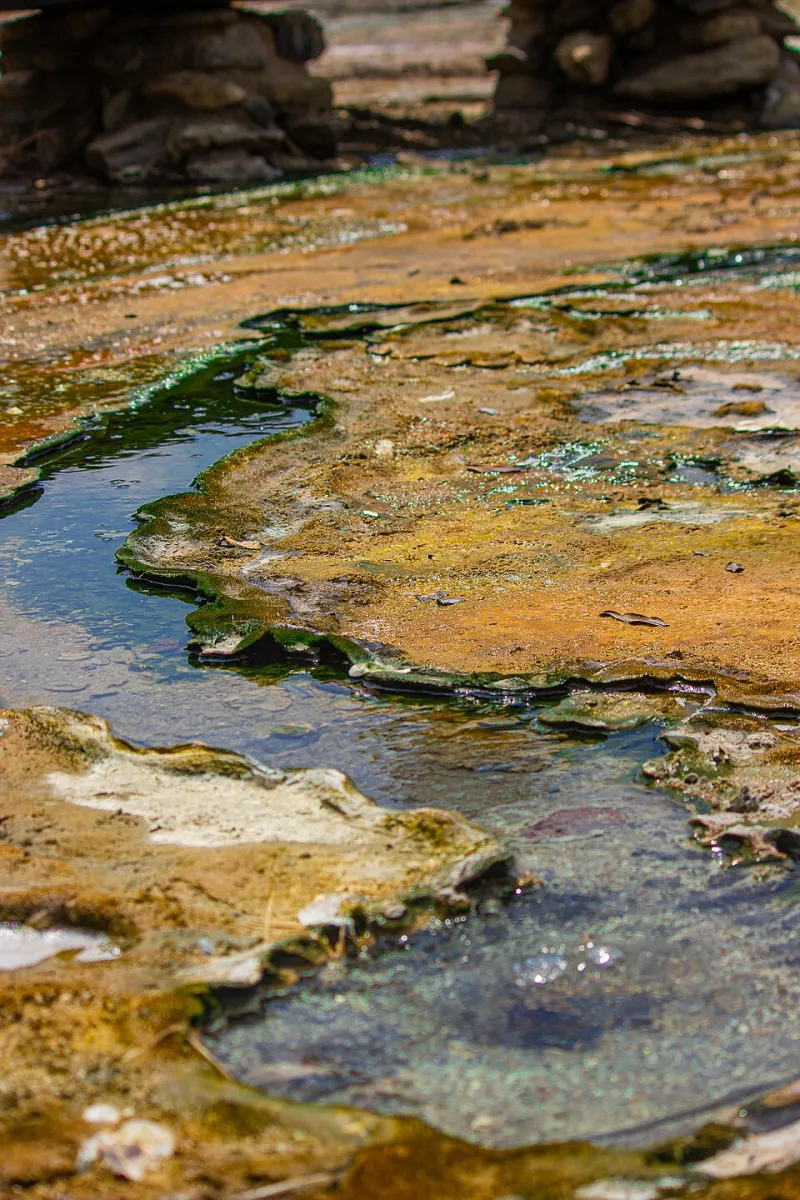
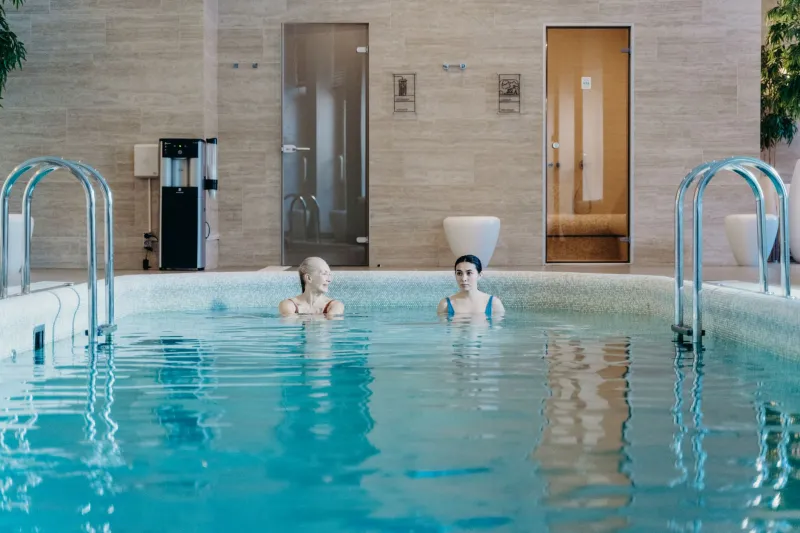
Here in Bulgaria, nobody "does a sauna streak." Thermal bathing is woven into weekly life the way coffee is woven into American mornings. Retirees in towns like Velingrad and Kyustendil have been soaking in the same mineral springs for decades — two, three times a week, moderate temperatures, unhurried.
No streaks. No wearables. No failure state.
And that's precisely the lesson: the health benefit lives in the rhythm, not the intensity. A 38°C mineral soak three times a week for a decade outperforms 30 consecutive days of 90°C sauna followed by silence. Moderate-and-regular beats intense-and-sporadic every single time, because the body responds to signals it receives consistently.
How to Restart Without the All-or-Nothing Trap
If your streak is dead, don't resurrect it — replace it:
- Set a floor, not a ceiling. Commit to two sessions a week, minimum, forever. Anything above that is bonus, not obligation.
- Lower the temperature, lengthen the habit. Moderate heat (37–40°C) for 25–30 minutes is easier to sustain than punishing sessions, and the cumulative benefit is comparable.
- Attach it to a place, not a gadget. Routines tied to a destination — a bathhouse, a spring, a spa — survive longer than routines tied to equipment that can become furniture.
- Plan for the interruption now. Decide in advance what your travel-week version looks like. A hot bath at 10 minutes counts. The habit is the habit.
Come Rebuild the Rhythm Where It's Oldest
There's a reason our long-term guests from the US describe their weeks in Bulgaria as a "recalibration." When thermal bathing is embedded in the culture — the water, the schedule, the unhurried pace — consistency stops being a discipline problem and becomes just... what you do.
Your body doesn't need your enthusiasm. It needs your attendance. Skip the streak. Build the rhythm — and if you want to learn what that rhythm feels like at its source, the springs are here, and they've been running daily for millennia.