Before You Book That 'Hydrotherapy' Retreat, Ask These 7 Questions (Most Americans Don't)
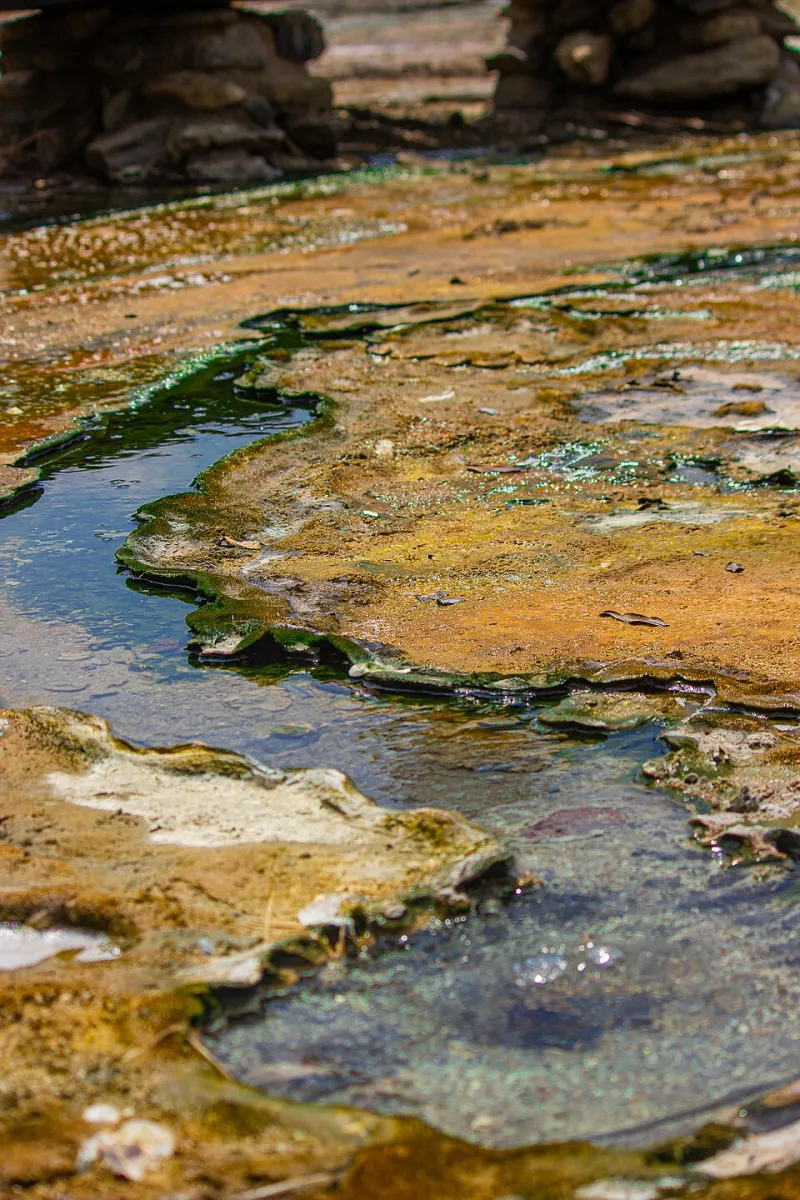
Photo: Pearl Aketch, CC BY-SA 4.0, via Wikimedia Commons
The $8,000 Bathtub Problem
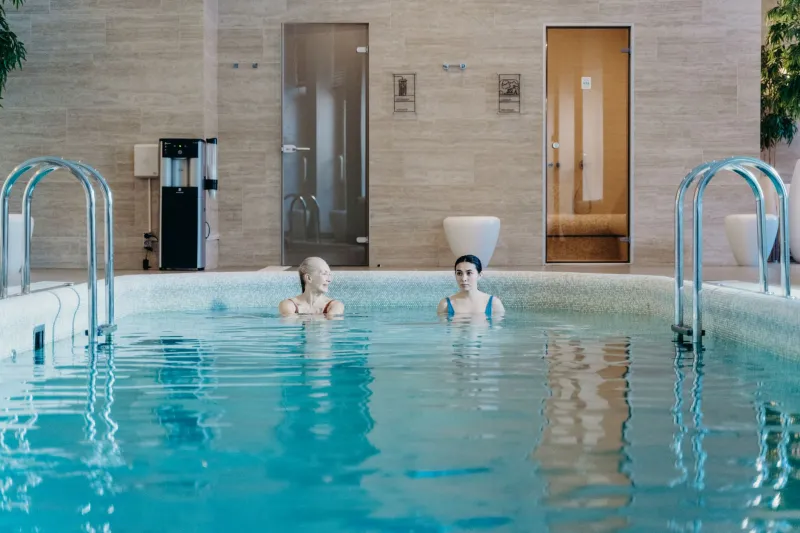
Wellness travel is booming, and "hydrotherapy" has become its most abused word. We've seen retreats advertised as therapeutic water programs that were, in practice, a hotel jacuzzi set to 100°F and a cold plunge tub next to a pool bar. Guests paid resort prices, went home relaxed — nothing wrong with relaxed — but nothing therapeutically different happened to their bodies.
The gap between genuine hydrotherapy and reheated tap water is real, measurable, and invisible from a retreat website. So before you book your next water-centric getaway, run the program through these seven questions. Any operator worth their mineral content will answer them gladly.
1. What Is the Actual Water Source?
This is the question that separates everything. Is the water drawn from a natural geothermal spring, a municipal supply that's been heated, or something in between? Genuine thermal springs deliver water that spent years — sometimes decades — underground, absorbing dissolved minerals and emerging at therapeutic temperatures without mechanical assistance. "Heated pool" and "thermal spring" are not synonyms, no matter how the brochure arranges them.
2. Can They Show You a Mineral Analysis?
Every serious thermal facility publishes or provides water analysis: mineral content in milligrams per liter, including magnesium, calcium, sulfate, bicarbonate, and silica. These minerals matter — magnesium absorbs transdermally and supports muscle relaxation; sulfates have long been associated with joint relief. If a retreat can't produce a recent water analysis, they're either hiding something or they don't know what they're selling. Both are disqualifying. (For context: Bulgaria's springs are famously mineral-dense, and reputable facilities here will hand you the lab report before you ask.)
3. What Are the Temperature Protocols — and Who Set Them?
"Hot tub vibes" is not a protocol. Legitimate hydrotherapy programs specify water temperature ranges (typically 33–40°C depending on the treatment goal), session duration, and immersion frequency. Ask who designed the protocols: a balneotherapist or physician with hydrotherapy training, or the resort's marketing team? Vague answers like "guests can use the pools as they like" mean there is no protocol.
4. What Credentials Do the Practitioners Hold?
If the retreat includes hands-on aquatic therapy — Watsu, aquatic bodywork, therapeutic exercise in water — ask about certification. Recognized credentials exist for aquatic therapy practitioners, and hydrotherapy programs in Europe often operate under balneology associations or medical oversight. A massage license alone doesn't qualify someone to run therapeutic water programs. Ask, and listen for specificity.
5. Is the Water Treated Like a Spa Pool or a Therapeutic Resource?
Heavy chlorination is necessary in a public swimming pool. But heavily treated, chemically altered water is not the same medium as flowing mineral spring water — for your skin, your microbiome, or your mineral absorption. Ask about water management. Facilities built around genuine springs often use flow-through systems and minimal chemical intervention precisely because the water's natural composition is the product.
6. What's the Program Structure — and the Exit Plan?
A red flag: unlimited pool access and nothing else. A green flag: structured sessions, progressive protocols across your stay, education about continuing the practice at home, and some form of assessment — even informal — of your needs. Therapeutic outcomes come from dose and repetition, not from floating near a swim-up bar for four days. Bonus points if the program addresses sleep, mobility, or stress markers beyond the soak itself.
7. Where Does the Water Come From Geologically?
This is the deep cut, and the one most Americans never think to ask. Water's therapeutic character is written by the rock it travels through. Spring water that has percolated through mineral-rich strata emerges with a chemical fingerprint you cannot manufacture — which is why geologically authentic destinations like Bulgaria, with hundreds of natural thermal springs concentrated along fault lines, produce measurably different bathing experiences than a heated pool in a convention center. If the retreat's water source is "the municipal supply, but we heat it," you now know exactly what you're buying.
The Bottom Line
Relaxation is a fine purchase. Therapy is a different one, and it deserves different diligence. Ask these seven questions, and two things will happen: genuine operators will light up, and pretenders will get vague.
And if you want a shortcut to a place where every answer is a good one — naturally heated, mineral-rich, geologically ancient water, structured protocols, and a culture that's been bathing this way for thousands of years — the springs in Bulgaria have been passing this test since before the word "retreat" needed a marketing budget.